


What Your HVAC System Tells a Home Inspector About Energy Use
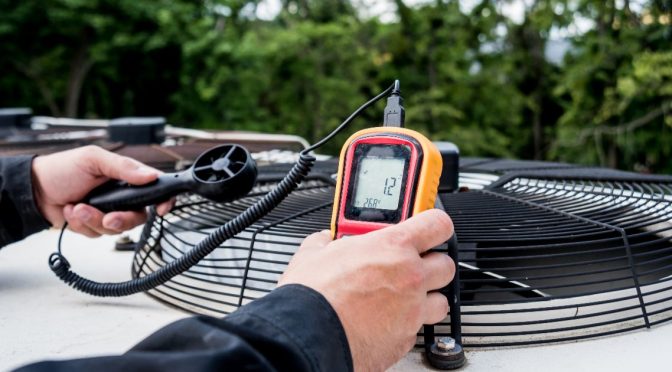
Your HVAC system gives a home inspector clear signs about how much energy your home uses each day. Your HVAC system also indicates whether the house stays cool or warm efficiently. Many buyers learn even more by reading this guide on how to use a home inspection to assess energy efficiency and understand how much power a home might waste.
I’ll show you how inspectors read these signs and what they mean for your comfort and monthly bills.
How Your HVAC System Shows Its Overall Health
A home inspector starts by checking the general condition of your HVAC system. The outside and inside units tell a story right away. If the system looks clean, well-maintained, and free of rust or leaks, it often indicates it has been serviced on time. A dirty or worn system usually means high energy use, weak airflow, or future repair costs.
Inspectors look for:
- Dirt buildup
- Mold or moisture
- Rust on the unit
- Loose wires or damaged parts
These issues raise your energy use because the system must work harder to cool or heat your home.
Air Filter And Energy Use
A simple air filter can reveal a lot. A clogged filter blocks airflow, which forces the HVAC system to run longer. This uses more electricity and raises your monthly bill. A clean filter shows that someone maintained the system and cared about indoor air quality.
A dirty filter also puts stress on the blower motor. This can shorten the system’s lifespan. Inspectors note this because it affects both comfort and long-term costs.
Temperature Difference
Inspectors test the air coming out of your vents and the air returning to the system. This helps measure how well the HVAC cools or heats the home. A significant temperature drop indicates the system is operating well. A weak drop indicates the system wastes energy by running longer than necessary.
A poor temperature difference may point to:
- Low refrigerant
- Weak airflow
- Dirty coils
- Old equipment
Each of these problems increases power use.
What the Ductwork Reveals About Efficiency
Ductwork plays a big role in how much energy your HVAC system uses. If ducts leak, cooled air escapes into the attic or walls. This forces the system to run more frequently, wasting energy and money.
Inspectors look for:
- Loose duct joints
- Gaps
- Crushed sections
- Missing insulation
Even small leaks add up. The larger the leak, the more the system struggles to heat or cool your home.
Age of the HVAC System
The system’s age provides the inspector with clear clues about future energy use. Older HVAC units often consume more electricity and operate less efficiently than newer units. Modern systems are built to use less energy and cool more evenly.
Inspectors check:
- Model number
- Year of manufacture
- Efficiency rating
A unit past its typical lifespan will likely use more power, even if it still runs.
Coils
The evaporator and condenser coils help remove heat from your home. When coils get dirty, the system loses efficiency. A thin layer of dirt can block heat transfer. This makes the system run longer and push harder, which increases your electric bill.
Inspectors check for:
- Dirt
- Corrosion
- Ice buildup
- Poor airflow around the outdoor unit
Healthy coils mean better cooling and lower energy use.
Strange Noises or Vibrations Suggest
Unusual noises give fast clues about energy waste. Buzzing, rattling, or squealing can indicate loose, worn, or out-of-balance parts. These issues strain motors and fans, leading to higher energy consumption.
Common signs include:
- A loud outdoor fan
- Rattling in the air handler
- Squeaks during startup
These sounds show that the system is working harder than it should.
What All These Signs Mean for Your Energy Bills
Every part of your HVAC system tells a home inspector how much energy your home uses. Minor problems create extra work for the system. Big problems can cause heavy power waste. A clean, well-maintained HVAC system helps you save money and stay comfortable.
Your inspection report can show you simple steps that improve energy use, such as:
- Changing filters
- Cleaning coils
- Fixing duct leaks
- Updating old parts
- Improving insulation
These changes help your home run better and lower your bills over time.
Conclusion
Your HVAC system provides inspectors with a clear view of your home’s energy use. It shows how well your home stays cool or warm, how much power it consumes, and which repairs can improve comfort.
By understanding these signs, you can make smart choices, plan for repairs, and control your monthly bills. A thorough inspection helps you see the system’s true condition and provides the facts you need to improve energy use.