


How Do Broward County Home Inspections Differ From Other Areas?
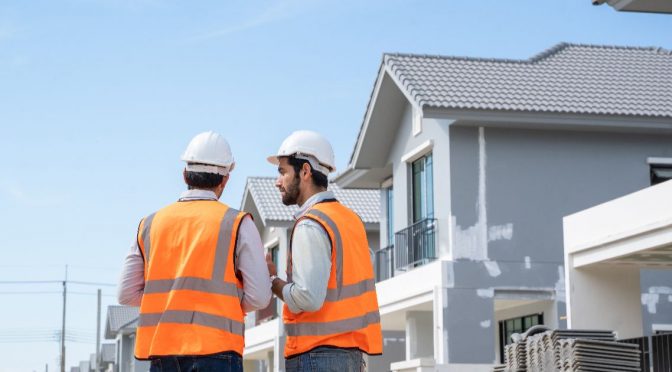
Broward County home inspections differ from other areas because of local rules, building types, and common problems.
Our company often sees clear differences when comparing Broward to places like Miami-Dade or Palm Beach.
These differences matter. They can change what inspectors focus on, what problems show up, and how much repairs may cost.
How Broward Compares to Nearby Areas
Understanding the differences helps you prepare better.
Broward County
- Strong inspection rules for large buildings
- More wall moisture issues
- More flat roof problems
- High focus on electrical systems
Miami-Dade
- More slab moisture issues
- Similar milestone inspections
- Lower size threshold for inspections
Palm Beach
- Fewer strict inspection rules
- Similar climate but fewer mandates
Local Rules
Broward requires inspections for large and older buildings, while smaller homes often do not need the same checks.
Here is what makes Broward unique:
- Buildings over 3,500 sq ft need inspections at 40 years
- Inspections repeat every 10 years after that
- Buildings with 3 or more stories must follow milestone inspections at 25 years
- Single-family homes are usually exempt
Compared to other areas:
- Miami-Dade has a lower size threshold
- Palm Beach has fewer strict requirements
If you own or buy a condo or large building, you will face more inspections in Broward.
Moisture Problems Show Up in Different Ways
Broward homes often have more wall moisture and ventilation problems than nearby areas.
Common moisture issues in Broward:
- Water inside walls (very common in older homes)
- Bathroom ventilation failures
- Mold growth in closed spaces
In other areas:
- Miami-Dade homes often deal more with slab moisture
- Broward has more wall-related moisture issues
What we look for:
- Damp drywall or soft spots
- Poor airflow in bathrooms
- Signs of long-term humidity buildup
Common Flat Roof Problems
Broward has more flat roofs, which leads to more membrane problems.
Many Broward properties use flat or low-slope roofs. These roofs depend on membranes to keep water out.
Common roof problems in Broward:
- Cracked or worn membranes
- Water pooling on flat surfaces
- Poor drainage
Flat roofs need more care than sloped roofs. Small issues can quickly lead to leaks.
High Water Table Affects Foundations
Broward has a high water table, which can lead to more foundation moisture issues.
This means:
- Water sits closer to the surface
- Foundations stay exposed to moisture
- Walls may absorb water over time
Common signs:
- Damp or stained walls
- Cracks in foundation areas
- Musty smells inside the home
Electrical Inspections Are a Bigger Focus
Electrical systems get more attention due to older buildings and recertification rules.
- Electrical panels
- Wiring condition
- Code compliance
This is especially important during:
- 40-year inspections
- Milestone inspections
- Condo recertifications
Older systems may not meet current safety standards.
Salt Air and Corrosion
Salt can travel inland, causing corrosion on metal parts of the home.
This affects:
- Electrical systems
- HVAC units
- Metal roofing parts
- Fasteners and connectors
Even homes that are not right on the water can have corrosion problems.
Repair Costs Stay High Across Broward
Moisture repairs in Broward often range from $8,000 to $15,000.
Common repair costs include:
- Mold removal
- Waterproofing
- Roof repairs
- Electrical upgrades
These costs add up fast if problems are not caught early.
Why Broward Inspections Require a Closer Look
Broward County has its own challenges. The mix of older buildings, moisture issues, and strict rules makes inspections more detailed.
We see many buyers assume all South Florida inspections are the same.
They are not. Broward has its own patterns, and knowing them gives you an advantage.