


Step-by-Step Mold Testing Process in Pembroke Pines
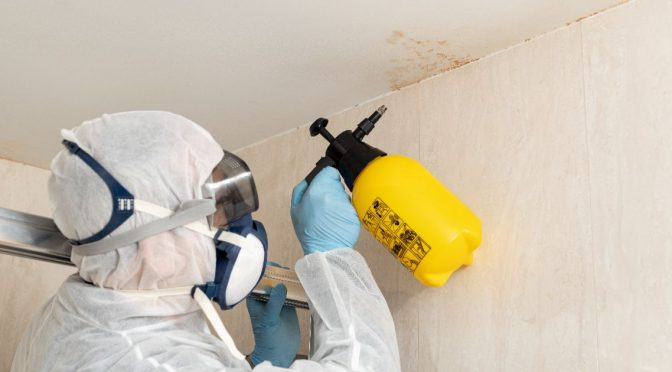
The mold testing process starts with a visual inspection, followed by moisture readings, air or surface samples, lab testing, and a clear report.
Mold testing in Pembroke Pines is important because heat, rain, leaks, and high humidity can promote mold growth in homes and buildings.
Mold can hide behind walls, under floors, near AC systems, and around old water damage. A proper mold test helps you stop guessing and understand what may be happening inside the property.
Quick Summary
- Mold testing checks the air, surfaces, moisture, and signs of water damage.
- The process starts with a visual inspection.
- Inspectors may use moisture meters and infrared cameras.
- Air samples and surface samples may be sent to a lab.
- The final report explains the findings and next steps.
- Florida Inspections Unlimited provides mold inspections and testing in Pembroke Pines and Broward County.
Step 1: We Start With a Clear Mold Inspection
Before taking any samples, we walk through the entire property, looking for signs of mold and the moisture that causes it.
We may check areas like:
- Bathrooms
- Kitchens
- Laundry rooms
- AC closets
- Attics
- Garages
- Baseboards
- Closets
- Ceilings
- Windows
- Doors
- Walls near plumbing
- Areas with past leaks
The most common culprits are roof leaks, AC moisture, plumbing problems, and stormwater. This walkthrough tells us exactly where to test.
Step 2: We Ask About Past Water Problems
The next step is simple but important. We ask about the property’s history.
Past water damage can point to hidden mold.
We may ask if the home had:
- Roof leaks
- Pipe leaks
- Flooding
- AC leaks
- Window leaks
- Previous mold cleanup
- Musty smells
- Storm damage
- Recent water stains
- High indoor humidity
For example, if a roof leaked over a bedroom, we may check that ceiling and attic area more closely. If an AC drain line backs up, we may check the walls and floors near the air handler.
The home’s history helps us identify problem areas faster.
Step 3: We Check Moisture Levels
Mold grows where things stay wet, even when you can’t see it. We use a moisture meter to test walls, ceilings, floors, cabinets, and baseboards for hidden dampness.
A wall can look dry but still be wet inside. That usually means a hidden leak or trapped water.
We focus on high-risk spots: under sinks, near toilets, behind washing machines, around showers, below windows, under AC units, near outer walls, around roof stain areas, and behind baseboards.
High humidity makes this worse; the longer water sits, the faster mold spreads.
Step 4: We May Use an Infrared Camera
An infrared camera can help detect temperature changes that may indicate moisture. It does not see mold. It helps find possible wet areas.
An infrared camera helps guide the inspector to spots that need closer review.
For example, a cool spot on a ceiling may indicate water from a roof leak. A strange pattern near a wall may point to trapped moisture. After we see a concern on the camera, we may confirm it with a moisture meter.
This step is helpful because mold can grow in hidden areas. The camera can help us find clues without opening walls.
Infrared checks may be used around:
- Ceilings
- Walls
- Floors
- AC closets
- Windows
- Doors
- Attic areas
- Water-stained surfaces
This tool helps us inspect smarter. It also helps us decide where samples may be needed.
Step 6: Take Air Samples
Air sampling checks mold spores in the air. This is one of the most common mold testing methods.
Air testing compares indoor air to outdoor air.
Mold spores exist outside, so the goal is not to find zero spores. The goal is to see if indoor air has unusually high mold levels or mold types that should not be present.
The inspector uses a small pump to pull air through a sample cassette. The sample is sealed and sent to a lab.
If indoor levels are much higher than outdoor levels, the report may show a possible indoor mold source.
Step 7: We Take Surface Samples When Needed
Surface sampling checks a specific spot. This may be used when we see visible growth, stains, or suspicious material.
Surface testing helps confirm if a spot is mold.
Surface samples may be taken with:
- Tape lift samples
- Swab samples
- Bulk samples, in some cases
A tape lift sample collects material from the surface with clear tape. A swab sample is collected using a sterile swab.
Step 8: Samples Go to a Lab
After samples are collected, they go to a lab for review. The lab looks at the samples and identifies the mold types and spore levels.
Lab testing gives clearer information than a visual check alone.
The lab may report:
- Mold types found
- Mold spore counts
- Indoor and outdoor comparison
- Surface sample results
- Unusual indoor mold levels
Lab results should be read along with the inspection findings. A lab report alone does not tell the full story. The inspector must connect the results with moisture readings, photos, and signs inside the property.
Step 9: Clear Mold Testing Report
The report is one of the most useful parts of the process. It should be simple, clear, and easy to understand.
A mold testing report explains what was found and what may need to happen next.
A good report may include:
- Inspection notes
- Photos of the concern areas
- Moisture readings
- Sample locations
- Lab results
- Mold types found
- Indoor and outdoor air comparison
- Areas that may need further review
- Suggested next steps
The report helps homeowners, buyers, sellers, real estate agents, landlords, and property managers make better choices.
Step 10: We Explain the Next Steps
Mold testing should give you answers, not confusion. After the report is ready, the next step is to understand what it means.
The next step may be repair, cleanup, further testing, or moisture control.
Depending on the findings, you may need:
- Roof repair
- Plumbing repair
- AC service
- Drywall removal
- Mold remediation
- Leak detection
- Better ventilation
- Humidity control
- Follow-up testing after cleanup
The most important step is to fix the source of moisture. Mold can come back if the water problem is not fixed.
When Should You Schedule Mold Testing in Pembroke Pines?
You should schedule mold testing when you see signs of mold, smell a musty odor, or suspect water damage.
Mold testing is smart when you notice:
- Musty smells
- Ceiling stains
- Wall stains
- Peeling paint
- Damp rooms
- High humidity
- Water damage
- Roof leaks
- AC leaks
- Plumbing leaks
- Dark spots on walls or vents
- Recent storm damage
- Allergy-like symptoms inside the home
You should also consider having a mold test before buying a home. A house may look clean during a showing, but hidden moisture can still be present.
Clear Mold Testing Helps Protect Your Property
The mold testing process in Pembroke Pines is simple when it is done the right way. It starts with a visual inspection, moisture checks, and a review of problem areas. Then samples may be collected and sent to a lab.
The final report helps you understand what was found and what steps may come next. That can help you protect your home, your health, and your money.
If you smell mold, see stains, or worry about hidden moisture, schedule a mold inspection before the problem spreads.